
Reading Time: 12-14 minutes
Key Takeaways
- Canada’s record immigration levels are fuelling housing demand and intensifying the housing crisis.
- Legal basement apartments provide newcomers with affordable rentals while offering homeowners steady income and higher property value.
- Government programs, including an $80,000 renovation loan, make basement conversions more accessible.
- Basement units remain significantly more affordable than condos in the GTA, though rental prices are also rising.
- Regardless of election outcomes, immigration will continue to drive demand for safe, legal basement housing.
Canada is experiencing one of the fastest rates of population growth in the G7, largely fuelled by immigration. This rapid increase in newcomers is reshaping the housing market and putting additional pressure on affordability. For many households, legal basement apartments are becoming a practical and accessible housing solution. They provide affordable rental units for immigrants and generate extra income for homeowners, creating a win-win situation in the midst of the Canadian housing crisis.
“Immigration-driven population growth can stimulate housing demand, particularly in municipalities where most newcomers settle.” — Immigration, Refugees and Citizenship Canada (IRCC)
This article explores how immigration trends are directly tied to the demand for basement apartments, why these units are gaining popularity, and what the future may look like given current policy and market conditions.
Immigration and Canada’s Housing Crisis
Canada has recently updated its immigration policy, reducing the number of immigrants it plans to welcome from 500,000 to 380,000 by 2026. While this adjustment aims to address pressures on housing and infrastructure, the housing crisis will not be resolved immediately. Canada already faces a significant housing shortage, and it will take years of increased housing construction and long-term policy changes to restore balance between housing supply and demand.
Immigration and Housing Pressure in Canada
| Year | Permanent Residents Admitted | Projected Target | Average Rent (Toronto, 2-Bedroom) | Source |
|---|---|---|---|---|
| 2021 | 405,000 | 401,000 | $2,300 | IRCC, CMHC |
| 2022 | 437,000 | 431,000 | $2,700 | IRCC, CMHC |
| 2023 | 471,000 | 465,000 | $3,000+ | IRCC, Rentals.ca |
| 2025 | 393,500 | 500,000 | 2,720 | IRCC |
| 2026 | – | 530,000 | Increase | IRCC |
As the table shows, immigration and housing affordability are closely linked: each year of record immigration aligns with a jump in rental costs, especially in major cities.
Why Basement Apartments Are in High Demand
With newcomers facing challenges in securing affordable housing, basement apartments have become an important part of the solution. They are usually less expensive than condos or above-ground apartments and are widely available in suburban areas surrounding Toronto, Mississauga, Brampton, and Vaughan.
Reasons for Rising Demand:
“For immigrants, affordability is the first priority. A legal basement apartment offers an entry point into the Canadian housing market without stretching a family’s budget too far,” — Uvita, Project Coordinator at RenoDuck.
Quick Comparison: Average Monthly Rent in GTA (2026)
| Type of Unit | Average Rent (2026) | Source |
|---|---|---|
| One-Bedroom Condo (Toronto) | ≈ $2,343 / month | TRREB |
| Unfurnished One-Bedroom (Toronto) | ≈ $2,078 / month | liv.rent |
| Basement Apartment (GTA Range) | $1,800 – $2,600 / month | Wahi |
| Basement Unit (Old Toronto) | up to $2,600 / month | PostCity |
The affordability gap makes basement units highly attractive, especially in Toronto and nearby suburbs, where housing scarcity is most severe.
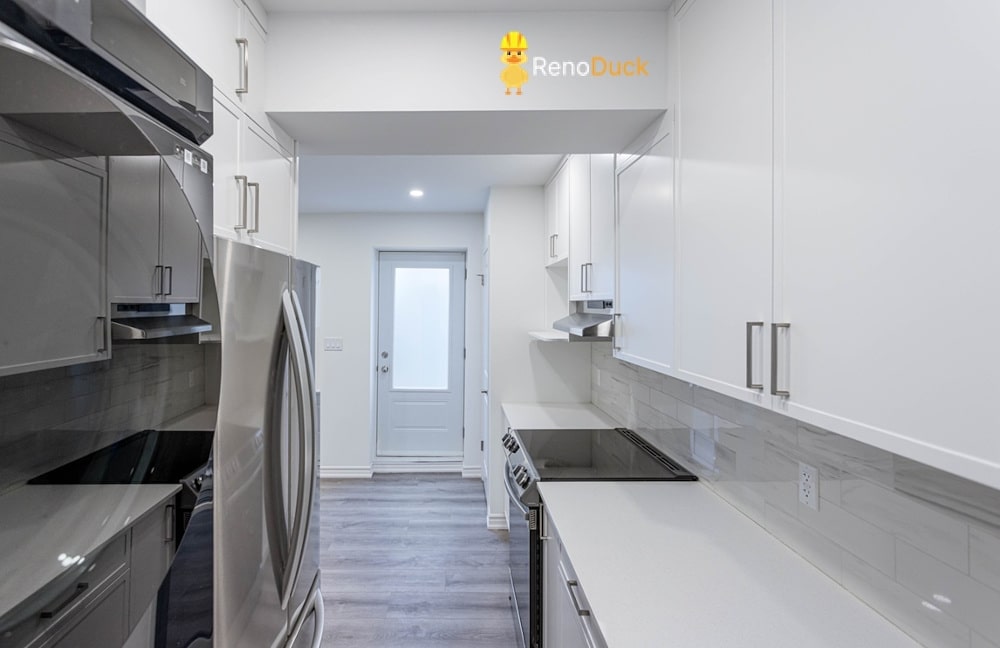
Legal Basement Apartments as a Safer Option
While many immigrants are drawn to basement rentals for affordability, not all units meet legal requirements. Illegal basement apartments often lack proper fire safety, ventilation, or separate entrances, which can put tenants at risk and expose homeowners to fines.
For those reasons, legal basement apartments are in high demand. These units:
To learn more, see our detailed guide: Legal vs Illegal Basement Apartments.
By choosing legalization, homeowners not only create safer living conditions but also secure the long-term value of their property.
Immigration Policy, Elections and the Future of Basement Apartments
Immigration in Canada is never just about numbers — it is also about policy. Federal decisions set the targets for how many newcomers the country welcomes each year, and these choices directly affect the housing market. With annual admissions already planned at 400,000+ new permanent residents by 2026, immigration will remain a defining factor for housing demand.
Elections matter because a change in government could mean different immigration policies. A more restrictive approach to the number of immigrants may reduce the pace of population growth, easing some pressure on housing supply. However, the reality is that even if targets are adjusted, the Canada housing crisis is already deep, and demand for affordable rentals will remain high.
For newcomers, this means basement apartments will continue to serve as an essential entry point into the Canadian housing market, especially in urban centres like Toronto, Mississauga, and Brampton where most immigrants settle. For homeowners, it signals that investing in a legal basement apartment is not just a short-term solution but a long-term strategy aligned with Canada’s demographic trends.
Regardless of political shifts, immigration will remain a key driver of housing demand, ensuring that basement apartments continue to play a central role in Canada’s housing landscape.
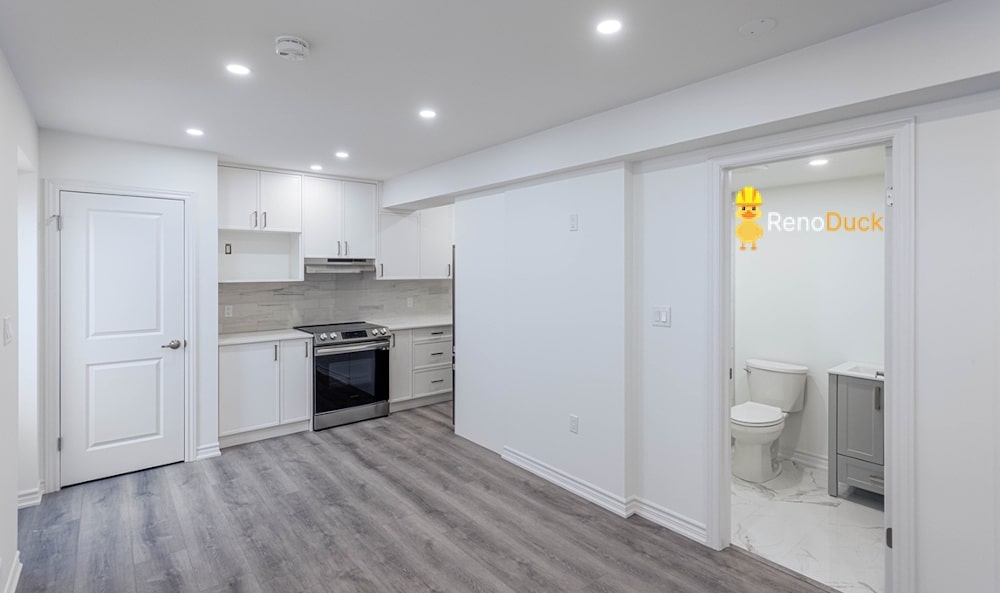
Government Support and Financing Options
Recognizing the need for more affordable housing, both federal and provincial governments are encouraging homeowners to create secondary suites and legal basement apartments.
Available Programs:
Why This Matters for Homeowners:
“With government support and private financing options, creating a legal basement apartment has never been more accessible for homeowners,” — Uvita, Project Coordinator at RenoDuck.
Benefits of Creating a Legal Basement Apartment for Homeowner
For homeowners, the growing demand for legal basement apartments is more than just a housing trend — it is a financial opportunity. By converting or legalizing a basement unit, property owners can create an additional income stream while contributing to easing the Canada housing shortage.
Key Benefits for Homeowners:
In the long run, a legal basement apartment offers both financial stability and greater security for homeowners, while also transforming a home renovation into a long-term investment.
Key Statistics on Immigration and Housing
Data from government and housing authorities clearly show the relationship between immigration and housing demand in Canada. As population growth continues, basement apartments play an increasingly important role in closing the affordability gap.
Immigration and Housing Indicators in Canada
| Indicator | 2021 | 2022 | 2023 | 2025 | 2026 | Source |
| Permanent Residents Admitted | 405,000 | 437,000 | 471,000 | 393, 500 | 380, 000 | IRCC |
| Additional Housing Units Needed by 2030 | – | 3.5M | 3.5M | 3.5M | 3.5M | CMHC |
| Avg. Rent (Toronto, 1-Bedroom Condo) | $2,300 | $2,700 | $3,000+ | $2, 259 | 2,183 – 2,600 | TRREB |
| Avg. Rent (Basement Unit, GTA) | $1,500–$1,700 | $1,600–$1,900 | $1,700–$2,000 | $2700+ | $2,000 – $2,400 | Wahi.com |
Insight: Immigration and rental costs have been rising in tandem, creating a sustained demand for affordable, safe housing alternatives like legal basement apartments.
What the Data Shows
These figures highlight three critical trends:
- Immigration growth is steady and rising — Canada is welcoming more newcomers each year and housing supply is not keeping pace — CMHC estimates show the country needs an extra 3.5 million homes by 2030 to restore affordability, yet construction is falling short.
- Rental prices are climbing — Condo rents in Toronto have crossed the $2,300 – $3,000 threshold, while basement apartments remain more affordable, though they too are rising in price.
Overall, the data confirms that immigration-driven demand is colliding with limited housing supply, making legal basement apartments one of the most practical and affordable housing solutions for newcomers and a reliable income source for homeowners.
Conclusion: Immigration Will Keep Driving Demand for Legal Basement Apartments
Immigration continues to be one of the key factors shaping Canada’s housing market. Even if the federal government has recently lowered immigration targets, population growth will still add pressure to housing in major cities. Legal basement apartments can help address this challenge by providing more affordable rental options while creating additional income opportunities for homeowners.
Homeowners who act now by converting or legalizing their basements can benefit from:
If you are considering turning your basement into a legal rental unit, contact RenoDuck, an experienced basement contractor, to explore design, renovation, and financing options that make your project stress-free and profitable.
FAQ about Immigration and Legal Basement Apartments
Sources: