
Key Takeaways
- Cost range: $1,200 – $15,000+ in Canada depending on materials, labour, and scope of work
- Timeline: Most conversions take 2 – 8 days; one-day installs are only realistic for prefab systems with no plumbing changes
- Best candidates: Households that rarely use the bathtub, seniors needing accessibility, or homeowners updating for resale
- ROI: Mid-range bathroom renovations return approximately 60 – 75% of costs at resale in Canada
- Critical requirement: Keep at least one bathtub in your home to maintain broad buyer appeal
- Non-negotiable: Proper waterproofing is essential, skipping this step leads to mold, rot, and costly repairs
A complete guide to transforming your bathroom with confidence
Introduction: Is a Bathtub to Shower Conversion Right for Your Home?
That unused bathtub might be taking up more than just floor space; it could be holding back your bathroom’s full potential. A bathtub-to-shower conversion is one of the most popular bathroom upgrades homeowners are considering in 2026, and for good reason. Whether you’re looking to create a safer space for aging family members, modernize an outdated bathroom, or simply make better use of limited square footage, converting your tub to a shower can deliver real, everyday benefits. For many homeowners focused on safety, accessibility, and long-term comfort, the next step is often to convert tub to walk in shower rather than keep a traditional tub.
But like any home renovation, this project requires thoughtful planning. Costs can range from modest to significant depending on your choices, timelines vary based on complexity, and the design decisions you make today will affect your bathroom’s functionality and resale value for years to come.
This guide walks you through everything you need to know from understanding your options and budgeting wisely to avoiding common pitfalls and preparing your home for a smooth renovation. Consider this your starting point for making an informed decision about whether a bathtub-to-shower conversion is right for you.
What Is a Bathtub to Shower Conversion?
A bathtub-to-shower conversion is exactly what it sounds like: removing an existing bathtub and installing a shower in its place. However, the scope of this project can vary significantly depending on your goals and budget.
Full Conversion involves completely removing the bathtub and installing a dedicated shower unit, typically a walk-in shower with glass doors or a curtain, a shower pan or tiled base, and updated fixtures. This is the most common approach for homeowners who rarely use their tub and want to maximize space.
Adding a Shower to a Tub is a less invasive option where you keep the bathtub but install a showerhead and surround, creating a tub-shower combo. This preserves the option for baths while adding shower functionality.
A few terms you’ll encounter:
Understanding these options early helps you communicate clearly with contractors and ensures your renovation matches your actual needs.
What Are the Main Benefits of a Bathtub to Shower Conversion?
Homeowners pursue this renovation for several compelling reasons, and the benefits extend beyond aesthetics.
Improved Accessibility and Safety.
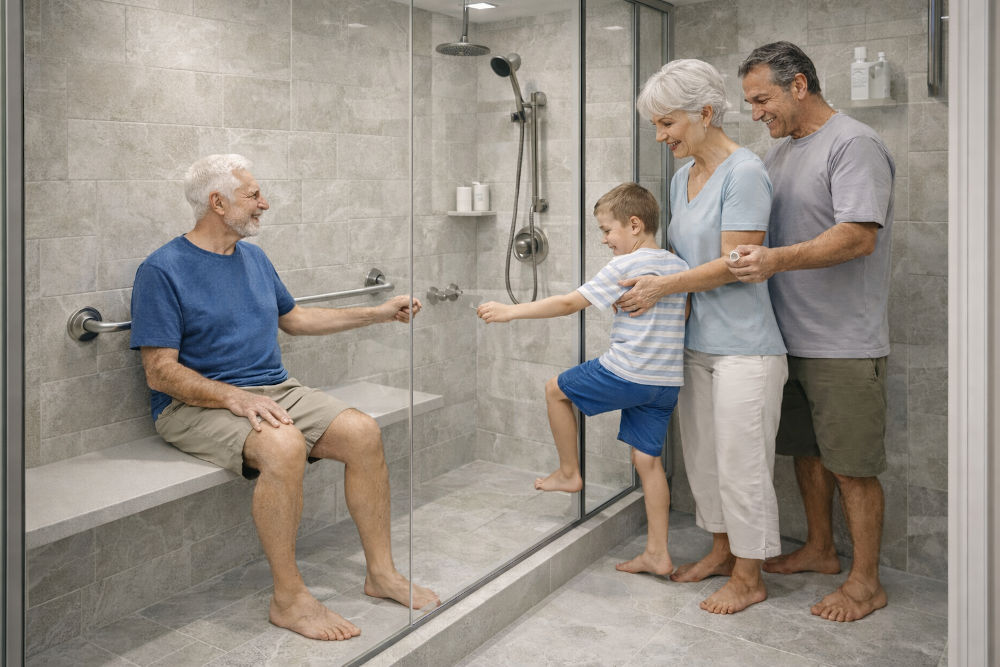
High bathtub walls can be challenging and potentially dangerous for seniors, anyone with mobility limitations, or families with young children learning to bathe independently. The statistics are sobering: according to the Public Health Agency of Canada, falls are responsible for 85% of injury-related hospitalizations among older adults, and approximately 20% of Canadians aged 65 and older experience at least one fall each year. The bathroom is a particularly high-risk area research shows that falls in the bathroom are more than twice as likely to result in injury compared to falls in other rooms of the home. Walk-in showers with low thresholds significantly reduce this risk. Add grab bars and a built-in seat, and you’ve created a space that’s genuinely safer for daily use.
More Usable Space in Small Bathrooms
Bathtubs consume significant floor space, often in bathrooms that can’t spare it. A well-designed shower can make a compact bathroom feel noticeably larger and more open, especially when paired with glass enclosures that maintain visual flow.
Easier Cleaning and Maintenance
Let’s be honest: scrubbing a bathtub isn’t anyone’s favorite chore. Showers, particularly those with acrylic wall panels or large-format tiles, have fewer grout lines and crevices where mold and mildew accumulate. Many homeowners find their new shower takes half the time to clean.
A Modern, Updated Look
Tub-shower combos can date a bathroom quickly. A sleek walk-in shower with contemporary fixtures signals that a home has been thoughtfully maintained and updated, something that matters whether you’re staying long-term or planning to sell.
Better Daily Functionality
If you’re someone who hasn’t taken a bath in years, that tub is simply occupying space you could use more effectively. Showers are faster, more water-efficient, and better suited to busy morning routines.
Considering a bathroom upgrade? RenoDuck’s design team can help you explore whether a tub-to-shower conversion is right for your home. Request a free consultation to discuss your goals and get expert advice tailored to your space.
Walk-In Shower vs. Tub-Shower Combo: Which Is Better for Your Lifestyle?
This is one of the most important decisions you’ll make, and the right answer depends entirely on your household’s needs.
Choose a Walk-In Shower If:
Consider Keeping (or Adding) a Tub-Shower Combo If:
The Resale Factor
Here’s a crucial consideration: real estate professionals consistently recommend keeping at least one bathtub in your home. Homes without any bathtub can turn off a significant portion of potential buyers, particularly young families. If your home has multiple bathrooms, converting one tub to a shower while keeping another is often the smart play.
Budget and Space Considerations
Walk-in showers can range from budget-friendly prefab units to high-end custom tile installations. Tub-shower combos occupy more floor space but offer versatility that some households genuinely need. Before deciding, honestly assess how your bathroom gets used day-to-day, not how you wish it were used.
How Much Does It Cost to Replace a Tub With a Shower in 2026?
Let’s talk numbers. The cost of a tub-to-shower conversion varies widely based on your choices, your bathroom’s condition, and your location.
Average Cost Ranges:
| Tier | Price Range | What’s Included |
|---|---|---|
| Entry-Level | $1,200 – $3,000 | Prefab shower kit, basic fixtures, minimal plumbing changes |
| Mid-Range | $3,000 – $8,000 | Quality materials, upgraded fixtures, glass doors, some customization |
| Premium | $8,000 – $15,000+ | Custom tile, curbless design, premium fixtures, accessibility features |
The national average sits around $3,000 to $4,000 for a standard conversion, but this can climb significantly for custom work.
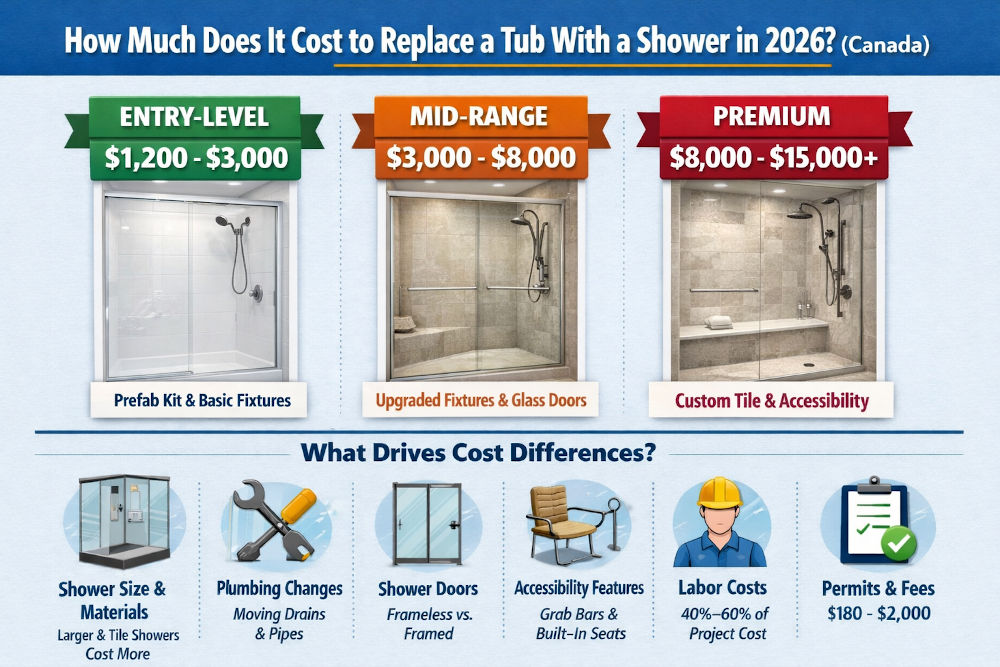
What Drives Cost Differences:
Why Prices Vary by Bathroom Condition. If your contractor discovers mold, water damage, rotted subfloor, or outdated plumbing behind the walls during demolition, costs increase. Older homes are more likely to present these surprises. Budget an additional 10% – 15% contingency for unexpected issues.
Want a clearer picture of your project costs? Every bathroom is different. Contact RenoDuck for a personalized estimate based on your specific space, goals, and budget.
Can a Bathtub Be Converted to a Shower in One Day?
You’ve likely seen the advertisements: “New shower in just one day!” Here’s the reality behind those claims.
When One-Day Conversions Are Possible:
Companies like Bath Fitter, Re-Bath, and similar franchise operations have streamlined their processes for one-day completions using proprietary materials measured and cut off-site.
When They’re Not Realistic:
Pros and Cons of Fast Renovations:
| Pros | Cons |
|---|---|
| Minimal disruption to daily routine | Limited material and design options |
| Predictable timeline | May sacrifice some customization |
| Often includes warranties | Premium pricing for speed |
The Waterproofing Reality. Proper waterproofing is critical and cannot be rushed. Some contractors cut corners on waterproofing to meet aggressive timelines, a mistake that leads to expensive damage years later. Ask specifically how waterproofing is addressed and whether appropriate curing time is built into the schedule.
Realistic Expectations. For most quality installations, expect two to five days for standard prefab conversions and one to two weeks for custom tile showers. When done by professionals, this timeline protects your investment and ensures lasting results.
What’s the Process of Removing a Bathtub and Installing a Shower?
Understanding the steps helps you prepare your home and set realistic expectations.
Step 1: Inspection and Planning. A qualified contractor begins by assessing your existing bathroom. They’ll measure the space, evaluate plumbing and structural conditions, discuss your design preferences, and identify potential complications. This is when you finalize material selections and receive a detailed quote.
Step 2: Demolition and Tub Removal. On installation day, the crew protects adjacent areas and removes the existing bathtub. This involves disconnecting plumbing, cutting away any wall tiles or surrounds, and physically removing the tub. Removal and disposal typically costs $150 – $450.
Step 3: Inspection and Repair. With the tub out, contractors inspect the subfloor, wall framing, and plumbing. This is when hidden issues like mold, water damage, or outdated pipes become visible. Any necessary repairs happen before proceeding.
Step 4: Plumbing Adjustments. Shower drains are typically 2-inch lines, while tub drains are 1½-inch. Converting requires updating this line from the shower to the main drain. If you’re changing the drain location or adding features like multiple showerheads, additional plumbing work is needed.
Step 5: Waterproofing. This step is non-negotiable. Whether using sheet membranes, liquid-applied membranes, or prefab systems, every surface must be properly waterproofed before finishing materials are installed. Corners, seams, and drain connections receive special attention.
Step 6: Shower Installation. The shower pan or tiled base is installed first, followed by wall panels or tile. Proper slope toward the drain is essential, typically a minimum of ¼ inch per foot. Glass enclosures or curtain rods are mounted, and fixtures are connected.
Step 7: Finishing Touches. Final steps include installing trim pieces, caulking joints, testing all fixtures, and ensuring proper drainage. A walkthrough confirms everything meets expectations before final payment.
What Design Ideas Work Best for Small Bathroom Tub to Shower Conversions?
Limited square footage doesn’t mean limited style. Strategic design choices can make your small bathroom feel more spacious after conversion and 2026 offers exciting options.
2026 TREND NOTE: Small bathroom designs in 2026 emphasize maximizing natural light, incorporating organic textures, and using technology to enhance compact spaces.
Glass Over Curtains. Frameless or semi-frameless glass enclosures maintain sight lines throughout the bathroom, creating the illusion of more space. Clear glass works best; frosted options provide privacy but can make the room feel smaller.
Light Colors and Large-Format Tile. Light-colored walls reflect more light and create an airier feel. Large tiles (12×24 inches or bigger) mean fewer grout lines, which visually expands the space and simplifies cleaning.
Vertical Design Elements. Floor-to-ceiling tile, vertical stripe patterns, or tall glass panels draw the eye upward, emphasizing ceiling height rather than limited floor space.
Built-In Niches Instead of Shelving. Recessed niches for shampoo and soap eliminate the need for bulky caddies and keep sight lines clean. Position them at comfortable heights and consider multiple small niches rather than one large one.
Space-Saving Layouts. Corner showers make efficient use of awkward spaces. Neo-angle doors (which swing at a 45-degree angle) require less clearance than standard hinged doors. Sliding barn-door style glass panels eliminate the need for swing clearance entirely.
Linear Drains. Positioned along one wall, linear drains allow the entire floor to slope in one direction, simplifying installation and enabling the use of large-format floor tiles.
What Styles and Materials Work Best for Modern Tub and Shower Replacements?
Material choices affect both aesthetics and long-term maintenance. Here’s what to consider in 2026.
2026 Design Trends to Consider:
The shower design landscape continues to evolve. Here are the trends gaining momentum in 2026:
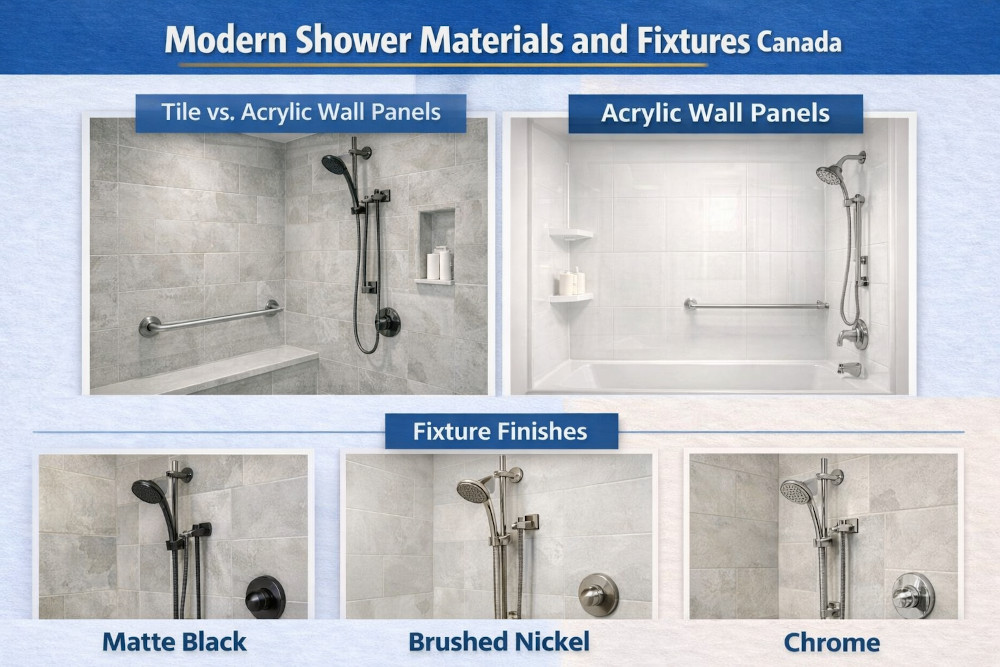
Wall Materials:
| Material | Pros | Cons |
|---|---|---|
| Ceramic / Porcelain Tile | Endless design options, durable, timeless | Higher installation cost, grout maintenance required |
| Acrylic Panels | Low maintenance, affordable, fast installation | Limited design choices, can look less custom |
| Solid Surface (Corian, etc.) | Seamless appearance, easy cleaning | Mid-range cost, fewer color options |
| Natural Stone | Luxurious appearance, unique patterns | Expensive, requires sealing, can stain |
Flooring Considerations. Safety comes first on shower floors. Look for slip-resistant options with adequate texture. Smaller tiles (like 2×2-inch mosaics) provide more grout lines and better traction than large-format tiles. Many manufacturers now offer tiles specifically rated for wet barefoot areas.
Fixture Finishes. Current trends favor matte black, brushed nickel, and brushed gold finishes over traditional chrome. These finishes hide water spots better and add visual interest. Consistency matters match your showerhead, handle, and drain finish for a cohesive look.
Balancing Durability and Aesthetics. Trendy choices that wear poorly or date quickly can undermine your investment. Neutral base materials with personality added through fixtures and accessories allow you to update the look over time without gutting the shower.
Are There Senior-Friendly Options for a Tub-to-Shower Conversion?
Creating a safe, accessible bathroom is one of the most meaningful reasons to pursue this conversion. According to Statistics Canada, fall-related hospitalizations among Canadians aged 65 and older increased by 47% between 2008 and 2019, and the direct cost of fall-related injuries in this age group was estimated at $5.6 billion in 2018 alone (https://health-infobase.canada.ca/falls-in-older-adults/). The right bathroom modifications can dramatically reduce this risk and help seniors maintain their independence.
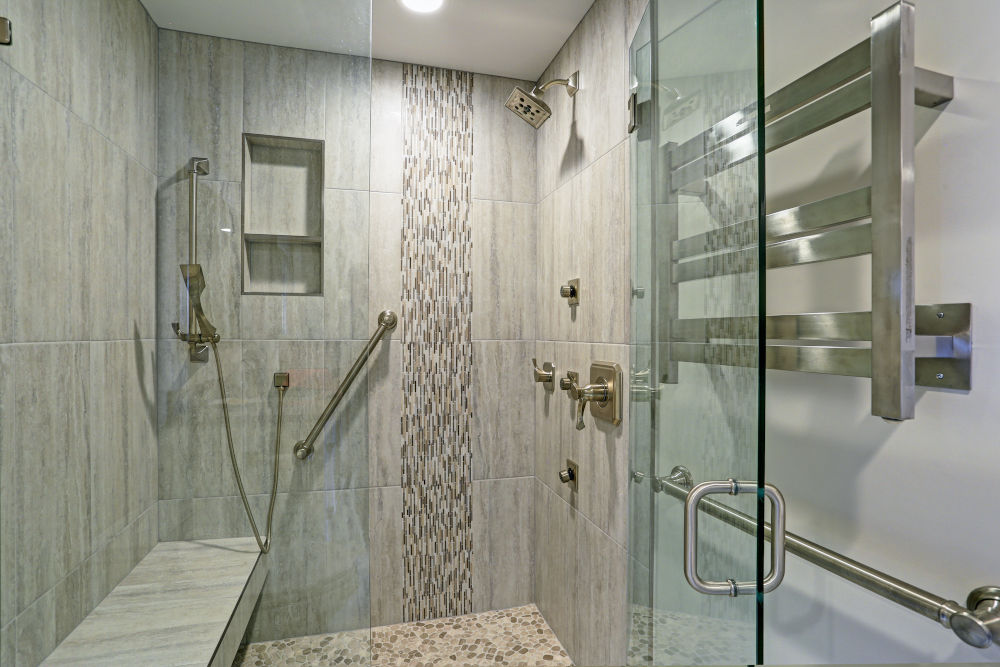
Walk-In and Curbless Showers. A curbless (zero-threshold) shower eliminates any step-over barrier, making entry easy for those with walkers or wheelchairs. Even a low-curb design (2 inches or less) dramatically improves accessibility compared to climbing over a bathtub wall.
Grab Bars. Properly installed grab bars provide essential support. Position them where they’re actually useful — at the entry point, near controls, and near seating. Today’s grab bars come in stylish finishes that integrate seamlessly with other fixtures.
Built-In Seating. A fold-down bench or built-in tile seat allows showering while seated. This feature benefits anyone recovering from injury, dealing with fatigue, or simply preferring to sit while shaving legs.
Anti-Slip Flooring. Textured tiles or applied non-slip coatings prevent falls on wet surfaces. This is essential for any accessible shower and beneficial for all users.
Wider Entries. Standard shower entries of 24 – 28 inches work for most, but doorless walk-in designs or wider openings accommodate mobility aids and caregivers when needed.
Handheld Showerheads. Mounted on an adjustable slide bar, handheld showerheads allow users to direct water while seated or standing and make cleaning the shower easier.
Planning for accessibility now, even if not immediately needed protects your ability to age safely in your home.
How Do Before-and-After Conversions Change a Bathroom’s Look and Feel?
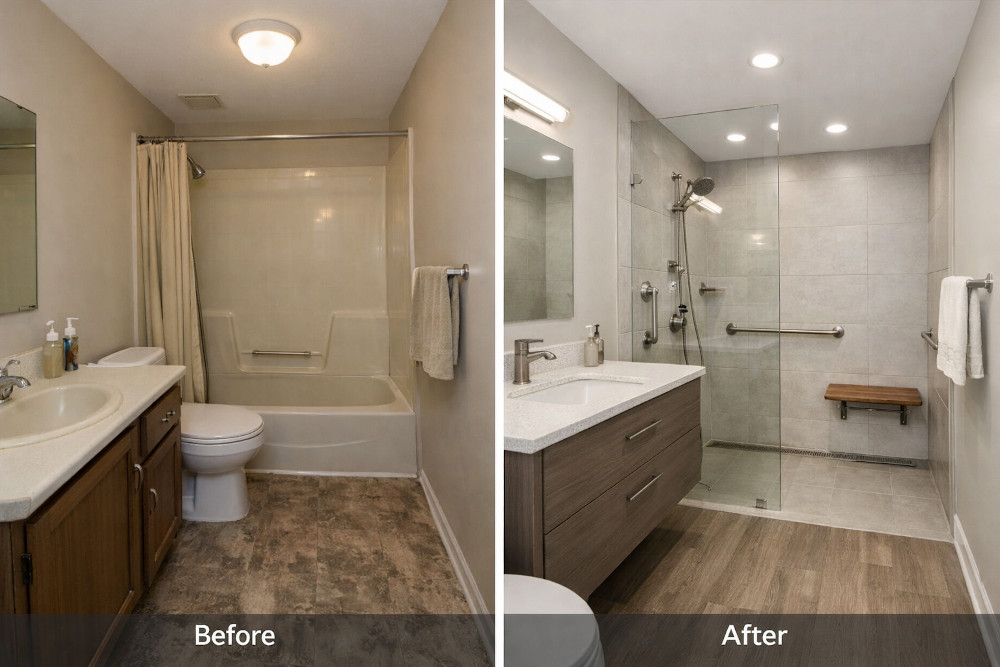
The transformation can be striking. Beyond the visual upgrade, several practical changes improve daily life.
Increased Brightness and Openness. Removing a bathtub’s visual mass and replacing it with a glass-enclosed shower creates a dramatic sense of spaciousness. Light flows through the space rather than being blocked by an opaque tub.
Cleaner Lines. Modern showers feature fewer joints, corners, and trim pieces than tub-shower combos. This simplicity reads as contemporary and intentional.
Improved Usability. A thoughtfully designed shower with proper storage, appropriate fixtures, and quality materials simply works better than a neglected tub. That daily satisfaction compounds over years of use.
Cohesive Design Opportunity. Conversion projects often inspire updates to adjacent flooring, vanity, and lighting. The result can be a bathroom that feels entirely new rather than piecemeal.
RenoDuck Project Spotlight: The Henderson Family Bathroom Renovation
A complete transformation centered around accessibility and modern living
When Margaret and David Henderson contacted RenoDuck, they knew their main bathroom needed more than a quick fix. Margaret’s mother, Eleanor (78), had recently moved in with them, and the home’s only full bathroom was showing its age a dated tub-shower combo with high walls that made Eleanor nervous, worn vinyl flooring, a vanity with limited storage, and poor lighting throughout.
The Challenge: The Hendersons’ 1990s-era bathroom measured just 5′ x 8 — a tight space that needed to serve three generations. Eleanor had already experienced one near-fall stepping over the tub wall, and the family wanted a complete renovation that would modernize the space while prioritizing safety and functionality for everyone.
The RenoDuck Solution: Our design team worked closely with the Hendersons to plan a full bathroom renovation with the tub-to-shower conversion as the centerpiece. The complete scope included:
Shower Conversion:
Complete Bathroom Updates:
The Results: The complete renovation was finished in eight days, carefully sequenced to minimize disruption to the family’s routine. The total investment came to $18,500 reflecting quality materials, accessibility features, and the comprehensive scope of work.
Three months later, David shared this feedback: “It’s like we have a brand new home. Mom showers independently now without any fear, she actually looks forward to it. The new vanity finally gives us enough storage, and the whole bathroom feels twice as big and so much brighter. We only wish we’d done this sooner.”
The Henderson project demonstrates what a thoughtful, complete bathroom renovation can achieve: a space that serves a family’s real needs today while adding lasting value to their home. Whether you’re planning a tub-to-shower conversion, a full bathroom remodel, or even a complete basement renovation, RenoDuck’s experienced team guides you through every decision.
Should You Replace the Tub With a Walk-In Shower for Home Resale Value?
This question deserves careful consideration based on your specific situation.
What the Market Says. According to RE/MAX Canada’s 2026 Home Renovation ROI Report, bathroom renovations deliver approximately 75% return on investment making them one of the highest-ROI interior improvements Canadian homeowners can make. In markets like Calgary and Toronto, mid-range bathroom renovations that include features like tub-to-shower conversions consistently recoup 60 – 75% of their cost at resale. Tub-to-shower conversions specifically appeal to today’s buyers who prioritize modern, move-in ready homes with updated features.
The One-Tub Rule. Real estate professionals consistently advise keeping at least one bathtub in your home. Families with young children specifically look for homes with tubs for bath time. If you’re converting your only tub, understand that this may narrow your buyer pool.
When Conversion Makes Resale Sense:
When to Think Twice:
Professional Design Impact. A poorly executed conversion can hurt value more than an original tub. Quality materials, proper installation, and thoughtful design maximize your return. This is not the project for cutting corners.
How Can You Prepare Your Home for a Tub to Shower Remodel?
Proper preparation streamlines the project and protects your home.
Budget Planning. Establish your budget before shopping. Include a 10%–15% contingency for unexpected issues. Understand payment terms reputable contractors typically request a deposit (often 30%–50%) with the balance due upon completion, not in full upfront.
Clear the Space. Remove all toiletries, towels, and decor from the bathroom. Take down anything hanging on walls that might be damaged by vibration or bumped during work. Clear a path from the front door to the bathroom for material delivery.
Plan for Disruption. You’ll lose access to this bathroom during renovation. If it’s your only bathroom, discuss the timeline carefully and make alternative arrangements. If you have multiple bathrooms, you’ll manage fine but expect some noise and dust.
Timeline Expectations. Standard prefab conversions take two to five days. Custom tile work typically requires one to two weeks. Add time if permits require inspections between phases.
Choosing a Contractor. Get at least three detailed quotes. Verify licensing and insurance. Ask for references and photos of completed projects. Look for contractors who specialize in bathroom renovations, not general handymen. Check if they’re members of professional organizations or certified by tile or waterproofing manufacturers.
Questions to Ask:
What Mistakes Should You Avoid When Converting a Bathtub to a Shower?
Learning from others’ errors can save you significant money and frustration.
Skipping or Rushing Waterproofing. This is the most consequential mistake. Inadequate waterproofing leads to mold growth, rotted framing, and expensive repairs that far exceed the original project cost. Proper waterproofing includes membranes on all surfaces, sealed corners and seams, and protection around the drain and any penetrations. Never let a contractor skip this step to save time or money.
Poor Slope or Drainage. Shower floors must slope toward the drain typically at least ¼ inch per foot. Improper slope creates standing water, which promotes mold and makes the shower unpleasant to use. Drain placement matters too; misaligned drains can weaken waterproofing and complicate installation.
Choosing Style Over Safety. That gorgeous polished marble floor tile might look stunning in a showroom but becomes dangerously slick when wet. Prioritize slip-resistant flooring in wet areas. Beauty and safety aren’t mutually exclusive you just need to choose thoughtfully.
Underestimating Costs. The cheapest quote isn’t always the best value. Contractors who significantly underbid often cut corners on materials, waterproofing, or labor quality. Understand what’s included in each quote and be suspicious of prices dramatically below competitors.
Ignoring Existing Problems. Converting a tub to a shower over damaged subfloor, compromised framing, or outdated plumbing is building on a faulty foundation. Address underlying issues during the project, not after they’ve caused new damage.
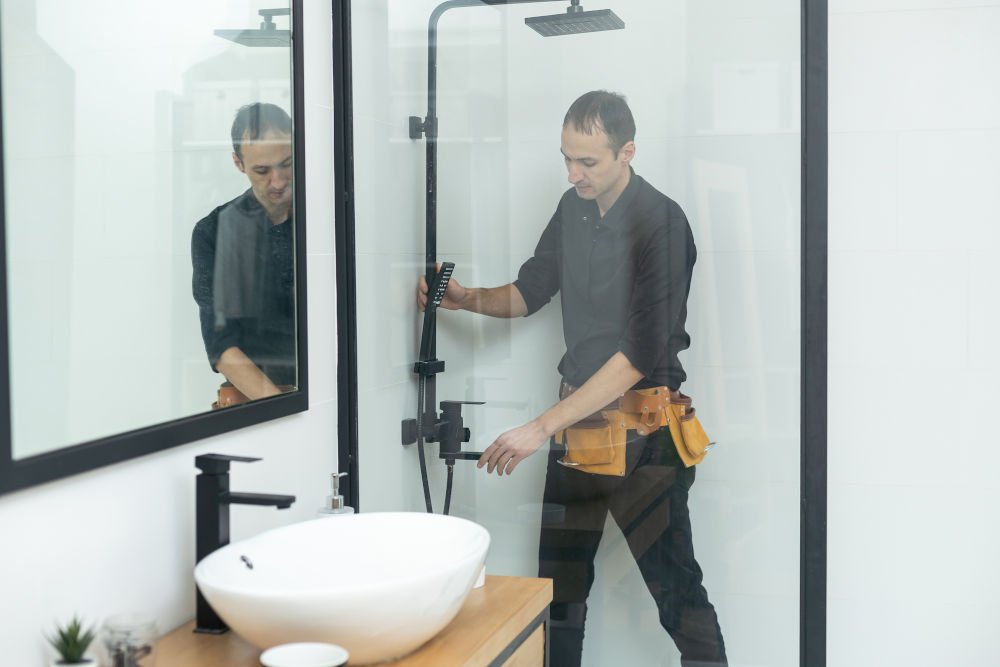
DIY Without Experience. Tub-to-shower conversions involve demolition, plumbing, waterproofing, tile work, and fixture installation. Each trade requires specific skills and tools. Unless you have genuine experience in all these areas, hire professionals. The risk of costly errors outweighs potential savings.
Not Pulling Permits. Many jurisdictions require permits for bathroom renovations involving plumbing changes. Working without permits can create problems when selling your home and may void insurance coverage if something goes wrong. Ask your contractor about permit requirements.
Final Verdict: Is Converting Your Tub to a Shower Worth It?
For many homeowners, absolutely yes, but the right decision depends on your specific circumstances.
The Conversion is Your Best Move If:
Think Twice If:
The Bottom Line
A well-planned, professionally executed tub-to-shower conversion delivers daily benefits easier access, simpler cleaning, updated aesthetics, and improved functionality. It can enhance your quality of life now and your home’s appeal later.
The key word is “well-planned.” Take time to understand your options, set a realistic budget, choose quality materials, and hire experienced professionals. Cutting corners on this project creates problems that compound over time.
Expert Tip: Don’t let the “One-Day” ads rush you into a subpar solution. A shower is only as good as the waterproofing behind the walls. Invest in professional installation to ensure your bathroom stays beautiful and leak-free for decades.
Ready to explore your options? RenoDuck specializes in thoughtful bathroom renovations that balance style, function, and value. Contact us for a personalized consultation and discover what’s possible in your space.