
Written by the RenoDuck renovation team. Reviewed by Alex Patsula, Founder & Lead Renovator, RenoDuck 8× HomeStars Best of Award (2019 – 2025), 4× Best of the Best 2025 Award, renovating GTA homes since 2018.
Most Toronto homeowners underestimate their renovation budget not because they’re careless, but because the GTA market is genuinely complex. Labour is expensive. Older homes hide surprises. Permits take time. Material costs have climbed.
Knowing what to expect before you start is the difference between a project that stays on budget and one that doesn’t.
This guide covers every major cost factor, with honest CAD figures and a practical framework for building a budget you can rely on.
What is the average house renovation cost in Toronto today?
Quick Answer
Key Takeaway:
The most honest answer is: it depends on what you’re renovating and how thoroughly. Basement renovation work starts from approximately $35/sq ft for base finishes; full gut renovations run considerably higher.
The full cost breakdown by project scope with specific ranges and typical timelines is in the next section. The factors covered throughout this guide can move your actual number significantly in either direction.
Data references: CMHC Housing Market Information; Statistics Canada Construction Price Index (Ontario).
How much does it cost to renovate a house based on project scope?
Key Takeaway:
Cosmetic Refresh: $15,000 – $40,000
Surface-level updates: new paint throughout, flooring replacement, updated lighting fixtures, and possibly refreshed bathroom vanities or cabinet hardware. No structural changes, minimal trade work. Good for recent builds or homes in sound condition that just need visual updating.
Single-Room Renovation (Kitchen or Bathroom): $20,000 – $100,000+
A mid-range kitchen renovation with new cabinets, countertops, appliances, and flooring typically runs $20,000 – $45,000. High-end kitchens with premium materials and appliances start at $45,000 and can exceed $100,000. A standard bathroom renovation runs $20,000 – $35,000 for a 3- or 4-piece; high-end primary bathrooms can reach $60,000+. Layout changes (moving plumbing, removing walls) push both higher.
Basement Renovation: $40,000 – $100,000+
A standard basement finish framing, insulation, drywall, flooring, pot lights, a bathroom rough-in typically starts around $40,000 and can reach $100,000 for a fully finished mid-range basement. Adding a 3-piece bathroom: from $10,000 more. Converting to a legal secondary suite: $80,000 – $200,000 total, depending on size and complexity.
Basement Renovation with Underpinning: $80,000 – $200,000+
If your basement ceiling height is under 7′ (which is common in Toronto’s older housing stock), basement underpinning is the structural solution that permanently lowers the floor to create proper, livable ceiling height.
Basement underpinning alone typically starts at $25,000 and can reach $100,000+ depending on the basement size, soil conditions, and overall structural complexity.
When considering the total basement renovation price, a full legal basement apartment renovation including underpinning, finishing, and code compliance, usually ranges from $80,000 to $200,000+.
Learn more about RenoDuck’s underpinning service
Partial Home Renovation (2 – 3 Rooms): $80,000 – $180,000
Combining a kitchen, two bathrooms, and a living space refresh in a mid-range Toronto home typically lands in this range, assuming no major structural changes.
Full Home Gut Renovation: $150,000 – $400,000+

A full home renovation involves stripping the property down to the studs and in some cases, even the subfloor. This type of project includes completely new electrical, plumbing, HVAC systems, insulation, and finishes throughout the home.New electrical, new plumbing, new HVAC, new insulation, new everything for a 1,500 – 2,000 sq ft Toronto home with mid-to-high-end finishes, budget $200,000 – $300,000 as a realistic working number.
| Scope | Estimated Cost (CAD) | Typical Timeline |
|---|---|---|
| Cosmetic refresh | $15,000 – $40,000 | 2 – 6 weeks |
| Kitchen renovation | $20,000 – $100,000+ | 6 – 12 weeks |
| Bathroom renovation | $20,000 – $60,000+ | 3 – 6 weeks |
| Basement finish | $40,000 – $100,000 | 8 – 16 weeks |
| Legal basement apartment | $80,000 – $200,000 | 14 – 26 weeks |
| Partial home (2 – 3 rooms) | $80,000 – $180,000 | 3 – 6 months |
| Full gut renovation | $150,000 – $400,000+ | 5 – 9 months |
RenoDuck specializes in mid-to-full-scope renovations of basements, kitchens, and full homes. If you’re planning a project in the $80,000+ range:
Explore our Full House Renovation service. Book a free consultation to discuss scope and budget
What factors most significantly impact renovation costs in Toronto?
Key Takeaway:
Each cost driver is a dial, not a switch adjusting one affects all the others. The sections that follow unpack each so you know exactly where your money goes and where you have room to flex.
How does home size affect the cost of renovating a house?
Key Takeaway:
How per-sq-ft pricing works
The per-square-foot model gives a rough framework for estimating whole-home renovation costs. If mid-range finishes run $125 – $175 per sq ft in the GTA, a 1,500 sq ft home might cost $190,000 – $260,000 to fully renovate at that standard.
But the model has real limitations:
Economies of scale and GTA housing stock
Larger homes don’t always cost proportionally more per sq ft fixed overhead distributes across more area, so a 2,500 sq ft home at mid-range finishes may run $120 – $150/sq ft while a 900 sq ft home at the same standard runs $150 – $200/sq ft. Toronto’s older housing stock adds a separate layer: low basement ceilings often require underpinning, and pre-1980s homes frequently have knob-and-tube wiring or galvanized plumbing that must be addressed during any major renovation.
| Home Size | Mid-Range Est. (CAD) | Cost Per Sq Ft |
|---|---|---|
| Under 1,000 sq ft | $100,000 – $175,000 | $150 – $200 |
| 1,000 – 1,500 sq ft | $150,000 – $230,000 | $130 – $175 |
| 1,500 – 2,000 sq ft | $200,000 – $300,000 | $120 – $165 |
| 2,000 – 2,500 sq ft | $250,000 – $375,000 | $110 – $155 |
| 2,500+ sq ft | $300,000 – $500,000+ | $100 – $145 |
The only way to get a number you can actually budget against is a site assessment.
Book a free RenoDuck site assessment — accurate per-sq-ft estimate based on your specific home, scope, and finish goals
Why does a full home renovation cost more than expected?
Key Takeaway:
Hidden structural and mechanical issues
Walls open and surprises emerge. Knob-and-tube wiring that needs full replacement. Galvanized plumbing that fails inspection. Asbestos in floor tiles or ceiling texture that requires certified abatement before work can continue. Foundation cracks that weren’t visible from the surface. In Toronto’s older housing stock, these aren’t rare edge cases; they’re normal.
Permit delays extending labour time
If a permit application takes longer than expected and in Toronto, building permit timelines can range from 4 weeks to several months depending on the project type your trades wait. Waiting time has a cost, either directly (holding fees) or through rescheduling delays that push completion back.
Material price escalation mid-project
If your project spans 4 – 6 months, the materials quoted at project start may have changed in price by delivery. Fixed-price contracts from your contractor can mitigate this if your GC absorbs the risk, which is reflected in the quote.
Scope creep
“While you’re already there, can we also…” is the most expensive sentence in renovation. Every mid-project change order adds labour (demobilisation and re-mobilisation), revised material orders, and sometimes new permit applications.
Contract structure matters
The type of contract you sign determines who carries the cost risk. A time-and-materials contract puts overruns on you; a fixed-price contract puts them on the contractor. RenoDuck works on detailed fixed-price proposals you know exactly what you’re committing to before work begins, backed by a 15-year workmanship warranty.
Request your fixed-price proposal
What is included in a typical home renovation budget?

Key Takeaway:
A contractor’s quote covers their labour and materials but a complete home renovation budget includes design fees (5 – 15%), permits (1 – 1.5% of project value), demolition, rough-in work, insulation and drywall, fixtures, GC markup (10 – 20%), and a mandatory 10 – 15% contingency reserve.
Here’s what a complete home renovation budget includes:
Design and architectural fees: 5 – 15% of total project cost
For complex renovations (gut renovations, additions, structural changes), you’ll need architectural drawings and possibly an interior designer. On a $200,000 project, expect $10,000 – $30,000 in design costs before a single nail is driven.
Permits and inspections
City of Toronto building permit fees are typically 1 – 1.5% of project value. A $200,000 renovation: approximately $2,000 – $3,000 in permit fees, plus inspection time. Source: City of Toronto Building Permit Fee Schedule.
Demolition and disposal
Demo and bin rental/disposal is a real line item. Depending on scope, budget $3,000 – $10,000+ for a full-floor demolition.
Structural and rough-in work
Framing, electrical rough-in, plumbing rough-in, and HVAC rough-in are often the largest portion of a renovation budget that homeowners underestimate because none of it is visible in the finished product. This is where the real money goes on a gut renovation.
Insulation, drywall, and finishes
Spray foam, batt, or board insulation; drywall and taping; primer and paint. These are volume-based costs that scale with square footage.
Fixtures and appliances
Everything that gets installed: faucets, light fixtures, plumbing fixtures, kitchen appliances, hardware. Homeowners often supply these directly. That’s fine, but they must be in the budget.
Labour and GC markup
Skilled trades labour plus a general contractor management fee of 10 – 20% of subcontractor costs.
Contingency 10 – 15% of total project budget
Non-negotiable. Budget it from the start. If you don’t need it, you’ll have money left over. If you do need it, you’ll be very glad it’s there.
Financing costs (if applicable)
If you’re borrowing to fund your renovation, interest can increase the total cost of your project. RenoDuck offers 0% financing and a 15-year warranty helping you manage your budget more easily while ensuring long-term peace of mind.
How do material choices influence home renovation costs?
Key Takeaway:
Flooring
| Type | Installed Cost (CAD per sq ft) |
|---|---|
| Laminate | $3 – $6 |
| Luxury vinyl plank (LVP) | $5 – $9 |
| Engineered hardwood | $10 – $18 |
| Natural solid hardwood | $18 – $35+ |
| Porcelain tile | $8 – $20+ |
Kitchen Cabinets
| Type | Installed Cost (CAD per linear ft) |
|---|---|
| Stock (big-box) | $200 – $400 |
| Semi-custom | $450 – $800 |
| Full custom | $900 – $2,000+ |
Cabinet choice alone can swing a $50,000 kitchen renovation to $80,000+.
Countertops
| Material | Installed Cost (CAD per sq ft) |
|---|---|
| Laminate | $20 – $40 |
| Quartz | $60 – $80 |
| Granite | $80 – $120 |
| Marble | $80 – $120 |
| Stainless steel | $120 – $140 |
Windows and Doors
Mid-range vinyl windows run $400 – $800 per window installed. Fibreglass or wood-clad windows: $900 – $2,500+. High-performance triple-pane units carry a premium but meaningfully reduce heating costs relevant in Toronto’s climate.
A Note on Sustainable Materials and Incentives
Higher-performance insulation, triple-pane windows, and energy-efficient HVAC systems cost more upfront. Some of these expenditures may be eligible for the Ontario Home Renovation Savings Program check ontario.ca for current eligibility before building your budget.
Canadian Sourcing Considerations
Some materials are significantly affected by currency fluctuations and import tariffs. Appliances, imported stone, and certain specialty fixtures may be priced in USD or subject to import costs. Source Canadian where possible or lock in pricing early on imported items.
Explore Your Options at the RenoDuck Showroom
All samples shown are available to view in person at the RenoDuck showroom, book an appointment and see exactly what goes into your renovation before you decide.

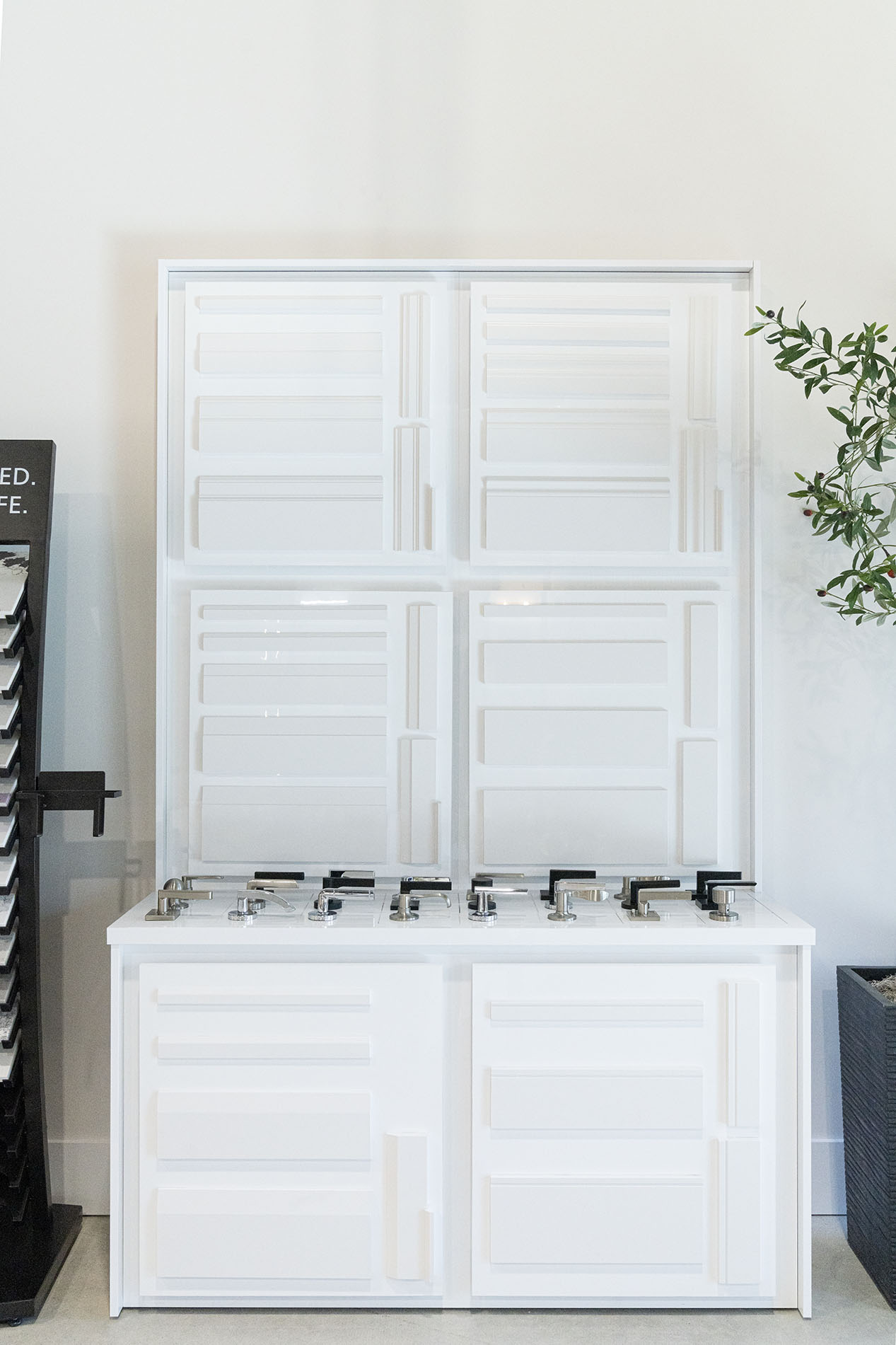

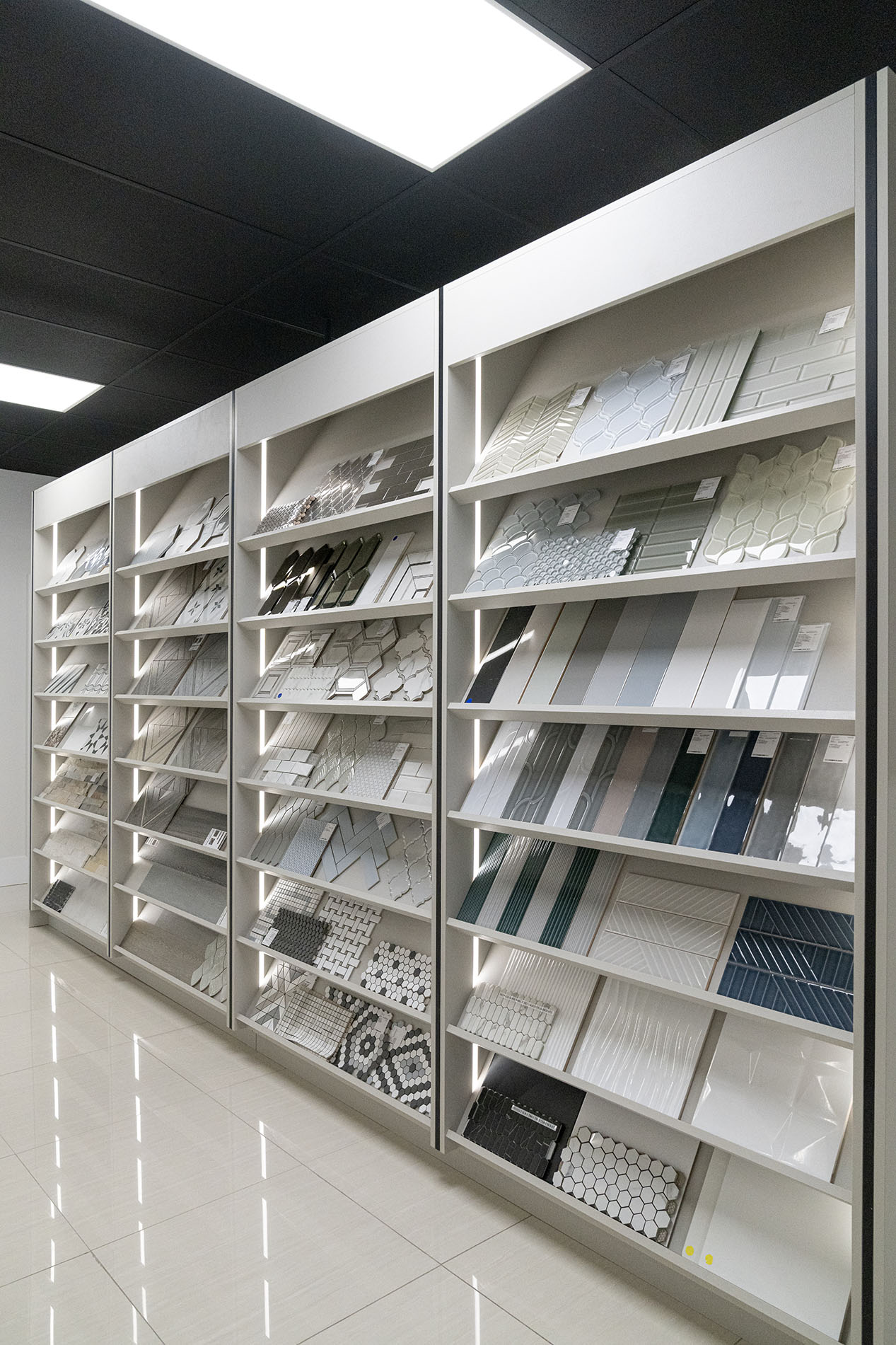
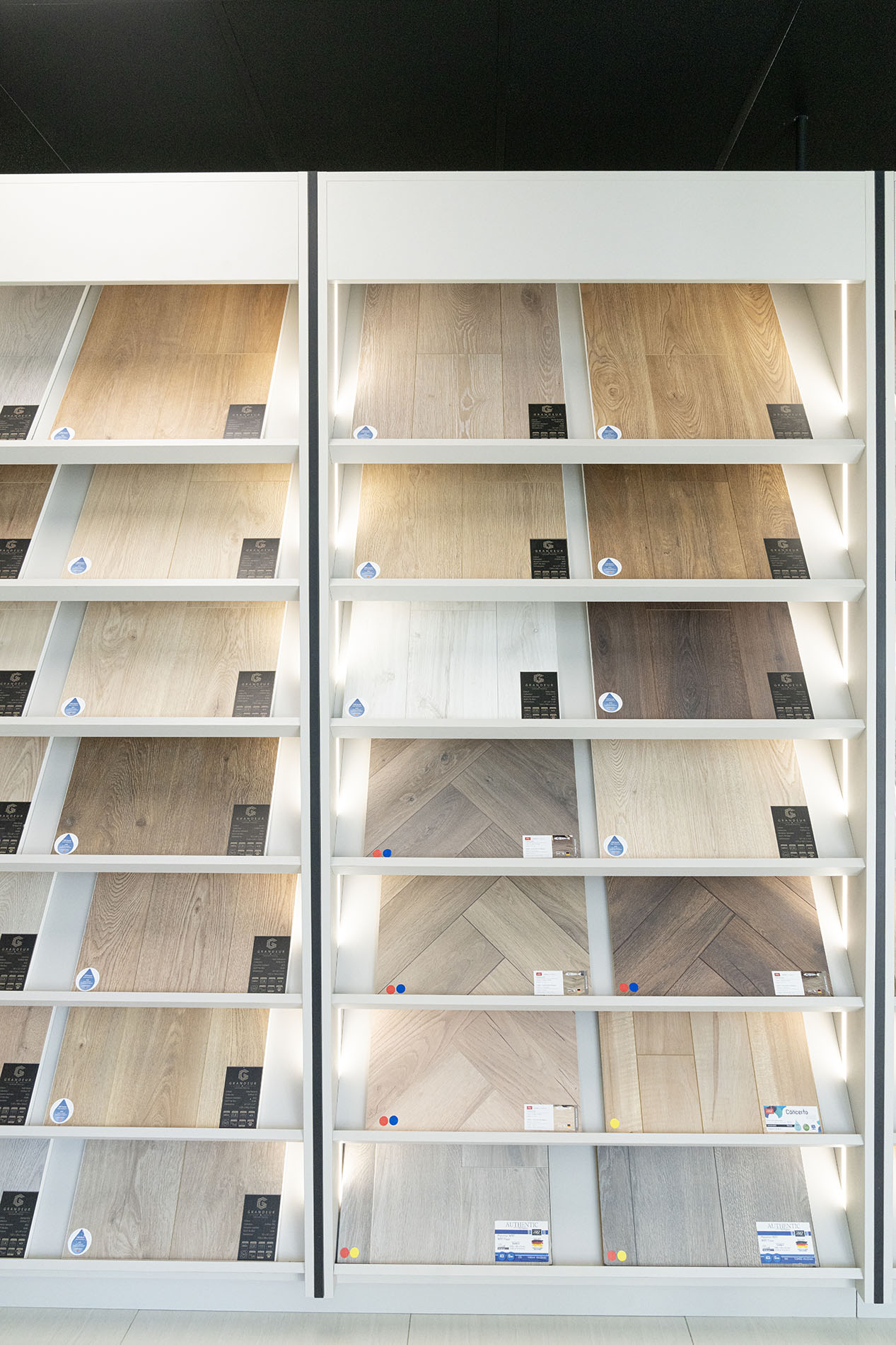

Contact RenoDuck to discuss materials or schedule an appointment to visit the RenoDuck showroom.
How much do labour and contractor fees affect renovation cost?
Key Takeaway:
Skilled Trades Rates in the GTA (2025 – 2026)
| Trade | Typical Rate (CAD/hr) |
|---|---|
| Electrician (licensed) | $100 – $180 |
| Plumber (licensed) | $100 – $160 |
| HVAC technician | $90 – $150 |
| Framing carpenter | $60 – $100 |
| Tile setter | $60 – $90 |
| Painter | $50 – $80 |
Why Toronto Labour Costs More
Toronto is an expensive city to operate a licensed contracting business. WSIB premiums, liability insurance, licensing fees, continuing education requirements, and the cost of operating vehicles and equipment all of it is embedded in the hourly rate. Demand also plays a role: skilled tradespeople in the GTA have more work than they can take, which means their time commands a premium.
The Cost of Cutting Corners on Contractor Quality
Unlicensed trades and cash labour quotes may look attractive. They carry real risk: work that doesn’t pass Ontario Building Code inspection, no WSIB coverage (the homeowner carries liability if a worker is injured on site), no warranty, and potential insurance voids. The cost of re-doing non-compliant work sometimes required by the City before a home can be sold routinely exceeds the apparent savings.
RenoDuck has earned the HomeStars Best of Award 7 consecutive years. It’s the most consistent independent signal of contractor quality available to Toronto homeowners.
See why homeowners trust RenoDuck
What permits and regulations impact renovation costs in Toronto?
Key Takeaway:
When a Building Permit Is Required in Toronto
The City of Toronto requires a building permit for:
Cosmetic work painting, flooring, cabinet replacement without moving plumbing, minor fixture swaps typically does not require a permit.
What Toronto Building Permits Cost
City of Toronto building permit fees are generally calculated at approximately 1 – 1.5% of project value (based on declared construction value). A $200,000 renovation generates approximately $2,000 – $3,000 in permit fees. Some permit categories have flat fees or per-unit minimums. Source: City of Toronto Building Permit Fee Schedule (toronto.ca).
Ontario Building Code Requirements
The OBC sets minimum standards for fire separation (critical for secondary suites), structural integrity, and energy performance. In older homes, bringing work up to current OBC standards often means upgrades beyond what was originally scoped.
Secondary Suites and Legal Basement Apartments
Converting a basement to a legal secondary suite triggers additional requirements: separate entrance or access, fire-rated separation between units, egress windows meeting minimum dimensions, dedicated electrical and plumbing, and in some cases separate HVAC. These requirements have real cost implications but meeting them is also what makes a basement apartment legal, rentable, and insurable.
The Consequence of Skipping Permits
Unpermitted work may not pass inspection when the property is sold, can void homeowner’s insurance, may require expensive remediation, and creates personal liability. The City of Toronto can order unpermitted work to be demolished and redone.
RenoDuck handles all permit applications as part of our full-service model. Your project stays compliant from the first shovel to the final inspection.
Learn more about our full-service renovation approach
How can you estimate a realistic renovation budget before starting?
Key Takeaway:
A realistic renovation budget is built in six steps: define your scope clearly, research per-sq-ft benchmarks, get a minimum of three itemised contractor quotes, add permit and design fees, build in a 10 – 15% contingency, and stress-test against your confirmed financing capacity.
Here is the six-step framework for building a budget you can actually rely on:
Step 1: Define your scope clearly before you talk to anyone
Know what you want to change before you ask for a quote. “Renovate the kitchen” means something different to every contractor. “Remove the wall between kitchen and dining room, replace all cabinets and counters, new appliances, new flooring, move the sink 3 feet” is a scope. The more specific you are, the more comparable your quotes will be.
Step 2: Research per-sq-ft benchmarks for your scope tier
Use the home size table in Section 04 as your starting point to sanity-check quotes before you get them.
Step 3: Get a minimum of three contractor quotes
Get quotes from at least three licensed, insured contractors. Make sure they’re quoting the same scope — ask each one to itemise their quote so you can compare labour vs. materials, included vs. excluded items. The lowest quote is not automatically the best quote.
Step 4: Add permit and design fees to your estimate
Take your contractor quote total. Add permit fees (1 – 1.5% of declared project value), design/architectural fees (5 – 15% if needed), and any survey or engineering fees if structural changes are involved.
Step 5: Build in a 10 – 15% contingency
Add 10% minimum to your working total as a contingency reserve. For older homes, complex structural scopes, or projects involving underpinning: use 15%. This isn’t money you plan to spend, it’s a buffer for the hidden issues that are a normal part of renovating existing homes.
Step 6: Stress-test against your financing capacity
Can you fund the full budget including contingency from your available resources (savings + HELOC + renovation loan)? If not, adjust scope before starting, not mid-project.
A free pre-project consultation with RenoDuck takes less than an hour and gives you a realistic budget framework before you commit to anything.
Book your free consultation no obligation, no hard sell
What are the most expensive parts of a house renovation?
Key Takeaway:
The highest-cost renovation scopes in Toronto are basement underpinning (from $25,000 to $100,000+), full kitchen renovations ($20,000 – $100,000+), load-bearing wall removal ($8,000 – $25,000+), electrical panel upgrades and rewiring ($15,000 – $35,000), and full HVAC installation ($20,000 – $40,000+).1. Basement Underpinning
The most capital-intensive single renovation scope available. Underpinning involves excavating beneath existing footings to lower the basement floor and increase ceiling height permanently. In Toronto’s older housing stock, it’s often the only way to create genuinely livable lower-level space. Underpinning starts from $25,000 and can reach $100,000+. A full legal basement apartment renovation including underpinning ranges from $80,000 to $200,000+.
Learn more about RenoDuck’s underpinning service
2. Kitchen Renovation
Kitchens are expensive because they concentrate every trade in one room: plumbing, electrical, framing, and finish trades. A full kitchen renovation in Toronto: $20,000 – $45,000 for mid-range; $45,000 – $100,000+ for high-end with premium finishes and appliances.
3. Structural Work Load-Bearing Wall Removal
Opening up a floor plan by removing load-bearing walls requires structural engineering, a steel or LVL beam, new footings in some cases, and careful coordination across trades. Cost: $8,000 – $25,000+ depending on span and existing structure.
4. Bathroom Renovation
Bathrooms pack a lot of trade work into a small space waterproofing, tile, plumbing, electrical, ventilation. A standard 3-piece bathroom renovation: $20,000 – $25,000. A 4-piece bathroom: $28,000 – $35,000. High-end primary bathrooms with custom tile and premium fixtures: up to $60,000+.
5. Electrical Panel Upgrade and Rewiring
Many pre-1980 Toronto homes have 100-amp panels and outdated wiring. A full rewire required when walls are open during a gut renovation adds $15,000 – $35,000 to a project.
6. HVAC Replacement or Full Install
Replacing a furnace and central AC: $8,000 – $15,000. Installing a full ducted HVAC system in a home that didn’t have one: $20,000 – $40,000+.
7. Window Replacement
Replacing all windows in a 1,500 sq ft Toronto home: $20,000 – $50,000 depending on window count, size, and specification. High-performance triple-pane windows carry a premium but deliver meaningful energy savings in Toronto’s climate.
How can homeowners reduce renovation costs without sacrificing quality?
Key Takeaway:
Phase the Project
Do the structural and rough-in work first underpinning, electrical panel upgrade, plumbing rough-ins while walls are open. Leave cosmetic finishes for a later phase. This spreads cost over time and lets you see the space before locking in finish decisions.
Protect the Existing Layout Where Possible
Moving plumbing is expensive. Moving a drain 4 feet can add $3,000 – $8,000 to a bathroom renovation. If your existing layout is functional, keeping drain locations preserves a significant budget. The same logic applies to kitchen plumbing and HVAC duct runs.
Choose Mid-Grade Materials Strategically
Not every surface deserves the premium finish. High-wear floors in kitchens and hallways: invest in quality. Bedroom flooring in a guest room: engineered hardwood or quality LVP is more than adequate. The same logic applies to countertops quartz in the kitchen, laminate in a utility room.
Plan Exhaustively Before Breaking Ground
Change orders are the most reliable way to blow a renovation budget. Making every material selection and design decision before the demo begins every mid-project change costs more than it would have in the original scope.
Use Financing Intelligently
RenoDuck offers 0% flexible renovation financing through, which lets you complete your project properly now and manage payments over time. Trying to minimize financing by rushing decisions often leads to regret.
Don’t Optimise on Contractor Price
The cheapest quote on a $150,000 project is not a savings strategy. A renovation that requires remediation, fails inspection, or delivers poor-quality work costs far more to fix than the apparent saving. Hire for quality, experience, and warranty coverage.
How long does a whole home renovation take and how does it affect cost?
Key Takeaway:
How Timeline Affects Cost
Extended projects mean extended labour billing. They also mean longer periods during which material prices can shift, more opportunities for weather delays (relevant for exterior work), and higher carrying costs if you’re financing the project.
If you need to vacate during the renovation, common during gut renovations, temporary accommodation for 4 – 6 months in Toronto is a real line item: $6,000 – $15,000+ depending on family size and accommodation type.
Permit Delay Risk
Building permit timelines in Toronto vary by project type. Standard permits for mid-scope renovations: typically 4 – 10 weeks. Complex permits (additions, heritage properties, secondary suites): potentially much longer. Starting the permit process before other planning is complete is standard practice.
Seasonal Considerations
Winter project starts can sometimes be cheaper, trades are less booked, and some suppliers offer off-season pricing. The trade-off: exterior work in winter carries risk (frozen ground affecting excavation, temperature constraints on certain materials). Interior-only scopes are largely unaffected by season.
Contact RenoDuck to discuss your project timeline
What should you know before starting a home renovation project in Toronto?
Key Takeaway:
Before signing any renovation contract, Toronto homeowners should verify contractor WSIB registration and liability insurance ($2M minimum), confirm the contract type (fixed-price vs. time-and-materials), understand the permit process and timeline, and have confirmed financing in place.
Verify Your Contractor Before Signing Anything
In Ontario, anyone can call themselves a contractor. Before you commit, check:
RenoDuck is known for its excellent reputation, supported by top-rated Google reviews and 8× HomeStars Best of Awards.
Understand Your Contract Before You Sign
Know what type of contract you’re signing. A fixed-price contract protects you from cost overruns on items within scope. A time-and-materials contract does not. Make sure the scope of work is written out in detail what’s included, what’s explicitly excluded, and how change orders are handled.
Know the Rules Around Legal Basement Apartments
If you’re considering adding a secondary suite, the requirements are specific: fire separation, egress windows, separate entrance or access, dedicated systems. These requirements have cost implications, but meeting them is also what makes your unit legal, insurable, and rentable.
Confirm Your Financing Before You Commit
Don’t sign a renovation contract before your financing is confirmed and accessible. Ensure your budget is fully secured before work begins projects stalled mid-construction due to financing issues are costly and stressful.
RenoDuck offers flexible 0% financing options to help you move forward with confidence.
Get a free pre-project consultation that walks you through all of these questions for your specific home and scope.
Conclusion: What is the best way to plan your house renovation cost in Toronto?

Key Takeaway:
Renovation costs in Toronto are complex but they’re not unpredictable. With the right information and a disciplined planning process, you can build a budget that holds, hire a contractor you trust, and end up with a home that reflects what you invested.
The contractors who deliver on budget and on time are not the cheapest ones. They’re the ones with established processes: detailed fixed-price proposals, transparent communication, proper permitting, and workmanship that carries a warranty.
RenoDuck has been doing this in the GTA since 2018. Seven consecutive HomeStars Best of Awards reflect hundreds of completed projects and thousands of satisfied Toronto homeowners. Our 15-year workmanship warranty means you’re not just buying a renovation, you’re buying the confidence that it was done right.
Key Facts: Home Renovation Costs in Toronto
Whether you’re planning a full gut renovation, a basement transformation, or a phased whole-home upgrade, the best first step is a conversation.